Description
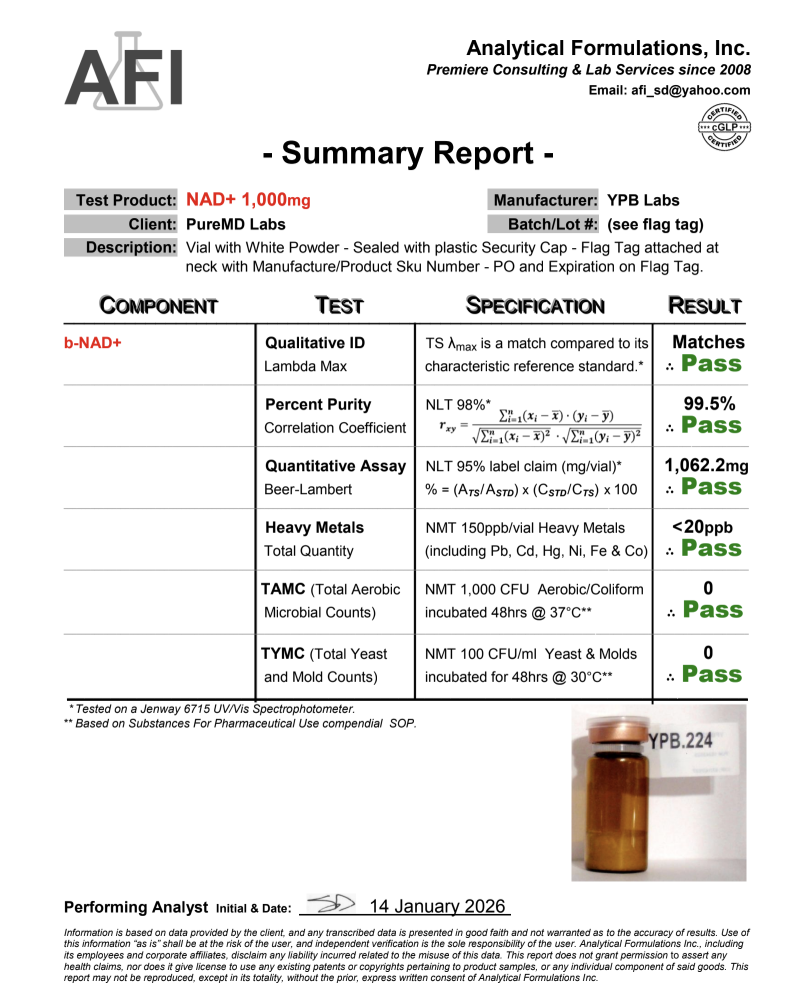
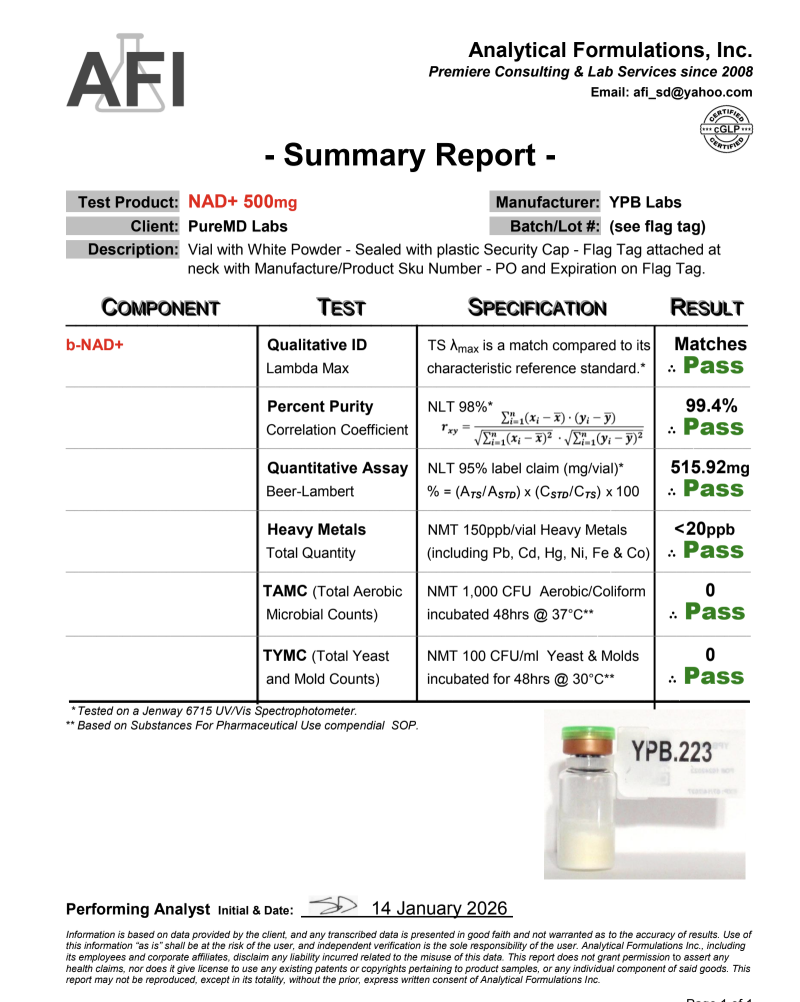
NAD⁺ (Nicotinamide Adenine Dinucleotide)
Coenzyme and Redox-Active Molecule
NAD⁺ is a coenzyme found in all living cells that participates in redox reactions, cellular metabolism, and signaling pathways. In laboratory and preclinical studies, NAD⁺ is primarily used as a research tool to explore metabolic regulation, mitochondrial function, and enzymatic signaling, rather than for clinical or therapeutic purposes.
Experimental research has focused on NAD⁺’s role in cellular energy metabolism, sirtuin-mediated signaling, DNA repair, and mitochondrial homeostasis. Its interactions with enzymatic pathways such as oxidoreductases, PARPs, and NAD⁺-dependent deacetylases make it a widely used compound in studies of metabolic stress, aging models, and cellular resilience.
Compound Identity and Molecular Profile
| Property | Description |
|---|---|
| Compound Name | NAD⁺ |
| Full Name | Nicotinamide Adenine Dinucleotide (oxidized form) |
| Compound Class | Coenzyme, redox-active nucleotide |
| Molecular Weight | 663.43 Da |
| Molecular Formula | C₂₁H₂₇N₇O₁₄P₂ (reported in research literature) |
| Primary Research Focus | Cellular metabolism, redox reactions, mitochondrial signaling |
Chemical and Registry Information
| Property | Value |
|---|---|
| CAS Number | 53-84-9 |
| PubChem CID | 588 |
| Synonyms | Nicotinamide adenine dinucleotide, Ox-NAD, NAD |
| Structural Features | Dinucleotide composed of nicotinamide, adenine, ribose, and phosphate groups; redox-active in enzymatic pathways |
Biological Pathways Studied (Preclinical Research)
NAD⁺ has been investigated for mechanistic activity within metabolic, mitochondrial, and signaling pathways:
| Pathway / System | Research Context |
|---|---|
| Cellular Energy Metabolism | Explored as a cofactor in glycolysis, TCA cycle, and oxidative phosphorylation |
| Mitochondrial Function | Studied in relation to NAD⁺/NADH ratio and mitochondrial respiratory capacity |
| Sirtuin-Mediated Signaling | Investigated for NAD⁺-dependent deacetylation of histones and transcription factors |
| DNA Repair & PARP Activity | Studied as a substrate for poly(ADP-ribose) polymerases involved in DNA damage response |
| Redox Homeostasis | Explored for roles in reactive oxygen species regulation and antioxidant defense mechanisms |
Research Applications
NAD⁺ is commonly used in laboratory research for:
-
Cellular metabolism studies (in vitro and ex vivo)
-
Mitochondrial function and bioenergetics research
-
Sirtuin and epigenetic signaling pathway investigations
-
DNA repair and oxidative stress pathway studies
-
Preclinical models of metabolic stress and aging
All applications are restricted to in vitro and animal model research; NAD⁺ is not intended for human, veterinary, or therapeutic use.
Storage and Handling Guidelines
NAD⁺ should be stored in a cool, dry environment, protected from light. Standard laboratory safety protocols should be observed to preserve chemical stability and reproducibility in experimental applications.
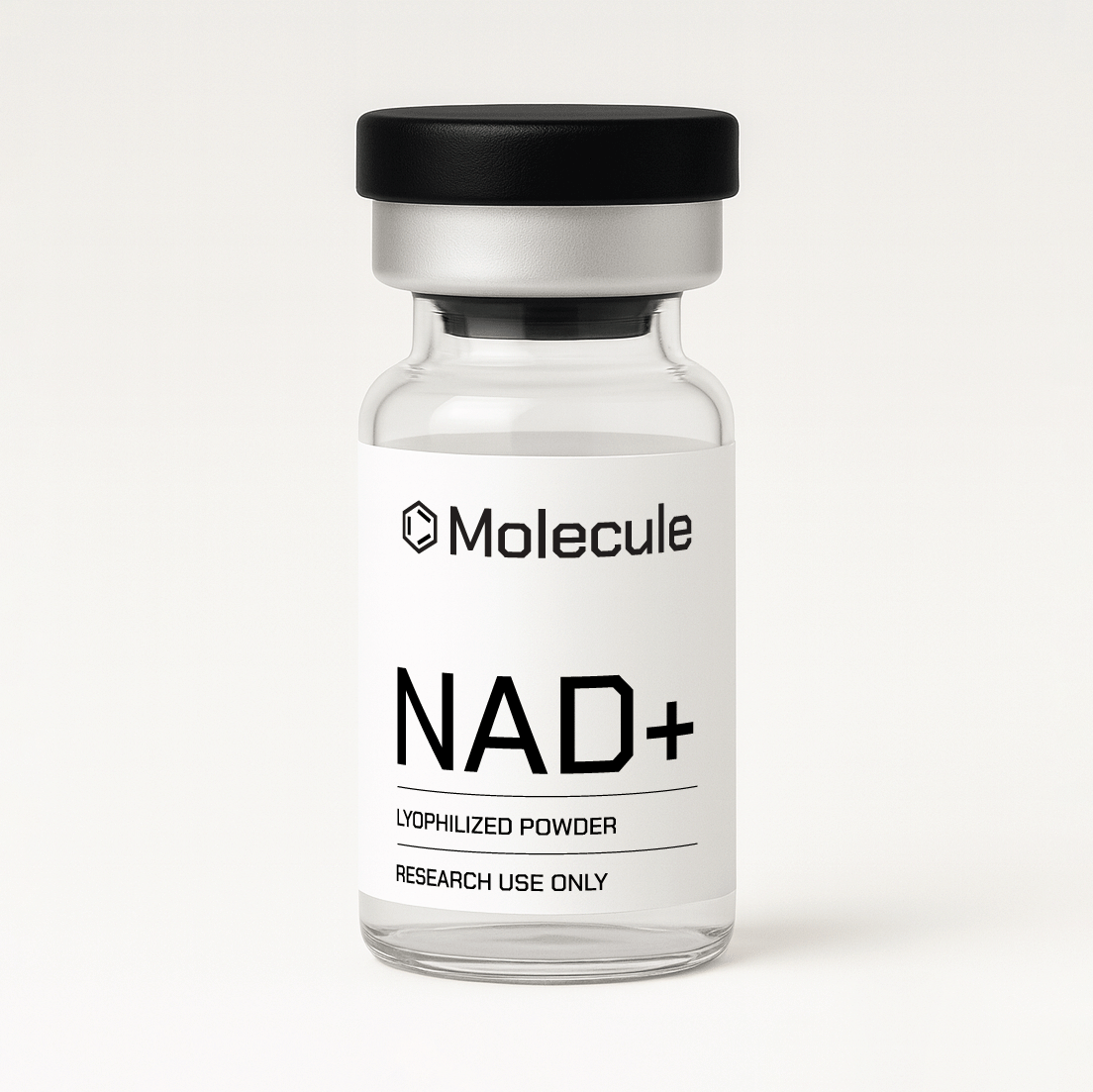
Lyophilized Powder
NAD⁺ is commonly supplied in lyophilized or solid form, which stabilizes the compound and facilitates accurate measurement in experimental research. Lyophilization reduces moisture content and helps maintain redox integrity for laboratory studies.
Shelf Life After Reconstitution
After reconstitution, NAD⁺ exhibits variable stability depending on buffer composition, pH, temperature, and handling conditions. Reconstituted NAD⁺ solutions are generally considered suitable for short-term experimental use, and researchers should plan assays and storage accordingly to maintain reproducibility and data integrity.