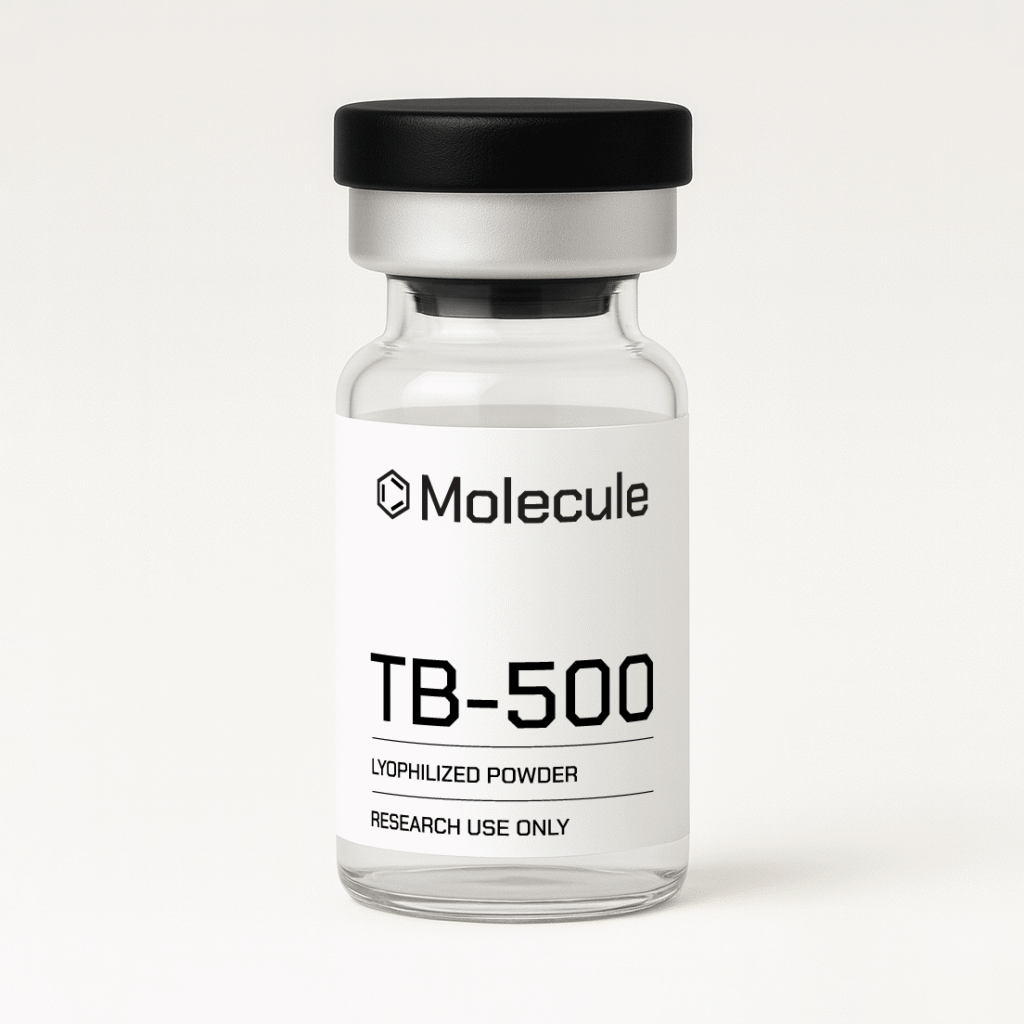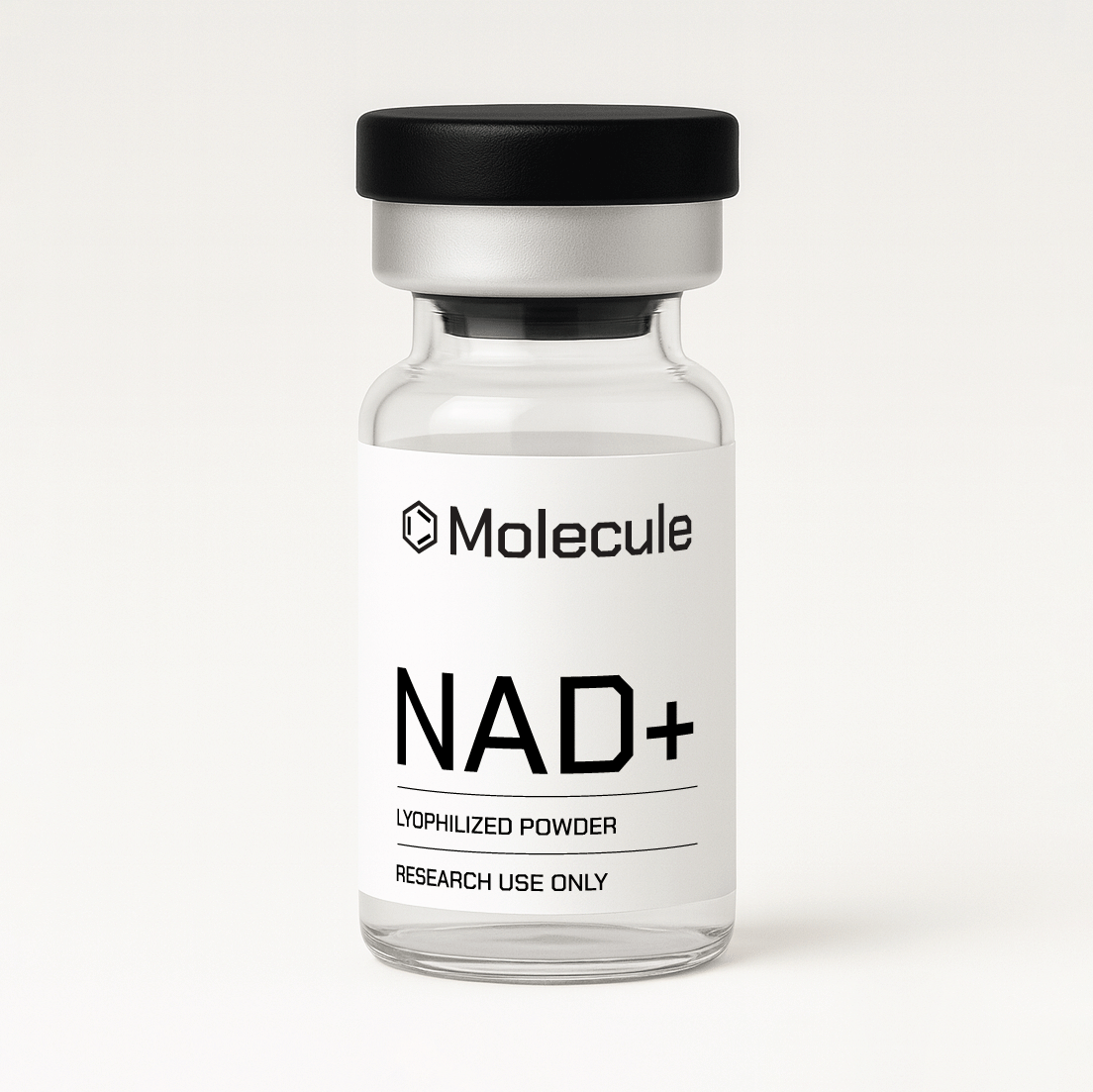
NAD+

NAD+ (Nicotinamide Adenine Dinucleotide) is a coenzyme that may support cellular energy production, DNA repair, and longevity.

Price range: $200.00 through $300.00

Size

Fast processing & shipping

Orders are processed and shipped within 1–2 business days to ensure timely delivery of research materials.

All sales final

Due to the nature of laboratory research materials, all sales are final once shipped. No returns or refunds on delivered items.

Limited refund eligibility

Refunds or replacements are only issued for incorrect, damaged, or undelivered orders. Claims must be submitted within 48 hours with supporting photos.

Description

NAD⁺ (Nicotinamide Adenine Dinucleotide)

Coenzyme and Redox-Active Molecule

NAD⁺ is a coenzyme found in all living cells that participates in redox reactions, cellular metabolism, and signaling pathways. In laboratory and preclinical studies, NAD⁺ is primarily used as a research tool to explore metabolic regulation, mitochondrial function, and enzymatic signaling, rather than for clinical or therapeutic purposes.

Experimental research has focused on NAD⁺’s role in cellular energy metabolism, sirtuin-mediated signaling, DNA repair, and mitochondrial homeostasis. Its interactions with enzymatic pathways such as oxidoreductases, PARPs, and NAD⁺-dependent deacetylases make it a widely used compound in studies of metabolic stress, aging models, and cellular resilience.


Compound Identity and Molecular Profile

Property Description
Compound Name NAD⁺
Full Name Nicotinamide Adenine Dinucleotide (oxidized form)
Compound Class Coenzyme, redox-active nucleotide
Molecular Weight 663.43 Da
Molecular Formula C₂₁H₂₇N₇O₁₄P₂ (reported in research literature)
Primary Research Focus Cellular metabolism, redox reactions, mitochondrial signaling

Chemical and Registry Information

Property Value
CAS Number 53-84-9
PubChem CID 588
Synonyms Nicotinamide adenine dinucleotide, Ox-NAD, NAD
Structural Features Dinucleotide composed of nicotinamide, adenine, ribose, and phosphate groups; redox-active in enzymatic pathways

Biological Pathways Studied (Preclinical Research)

NAD⁺ has been investigated for mechanistic activity within metabolic, mitochondrial, and signaling pathways:

Pathway / System Research Context
Cellular Energy Metabolism Explored as a cofactor in glycolysis, TCA cycle, and oxidative phosphorylation
Mitochondrial Function Studied in relation to NAD⁺/NADH ratio and mitochondrial respiratory capacity
Sirtuin-Mediated Signaling Investigated for NAD⁺-dependent deacetylation of histones and transcription factors
DNA Repair & PARP Activity Studied as a substrate for poly(ADP-ribose) polymerases involved in DNA damage response
Redox Homeostasis Explored for roles in reactive oxygen species regulation and antioxidant defense mechanisms

Research Applications

NAD⁺ is commonly used in laboratory research for:

  • Cellular metabolism studies (in vitro and ex vivo)

  • Mitochondrial function and bioenergetics research

  • Sirtuin and epigenetic signaling pathway investigations

  • DNA repair and oxidative stress pathway studies

  • Preclinical models of metabolic stress and aging

All applications are restricted to in vitro and animal model research; NAD⁺ is not intended for human, veterinary, or therapeutic use.


Storage and Handling Guidelines

NAD⁺ should be stored in a cool, dry environment, protected from light. Standard laboratory safety protocols should be observed to preserve chemical stability and reproducibility in experimental applications.


Lyophilized Powder

NAD⁺ is commonly supplied in lyophilized or solid form, which stabilizes the compound and facilitates accurate measurement in experimental research. Lyophilization reduces moisture content and helps maintain redox integrity for laboratory studies.


Shelf Life After Reconstitution

After reconstitution, NAD⁺ exhibits variable stability depending on buffer composition, pH, temperature, and handling conditions. Reconstituted NAD⁺ solutions are generally considered suitable for short-term experimental use, and researchers should plan assays and storage accordingly to maintain reproducibility and data integrity.
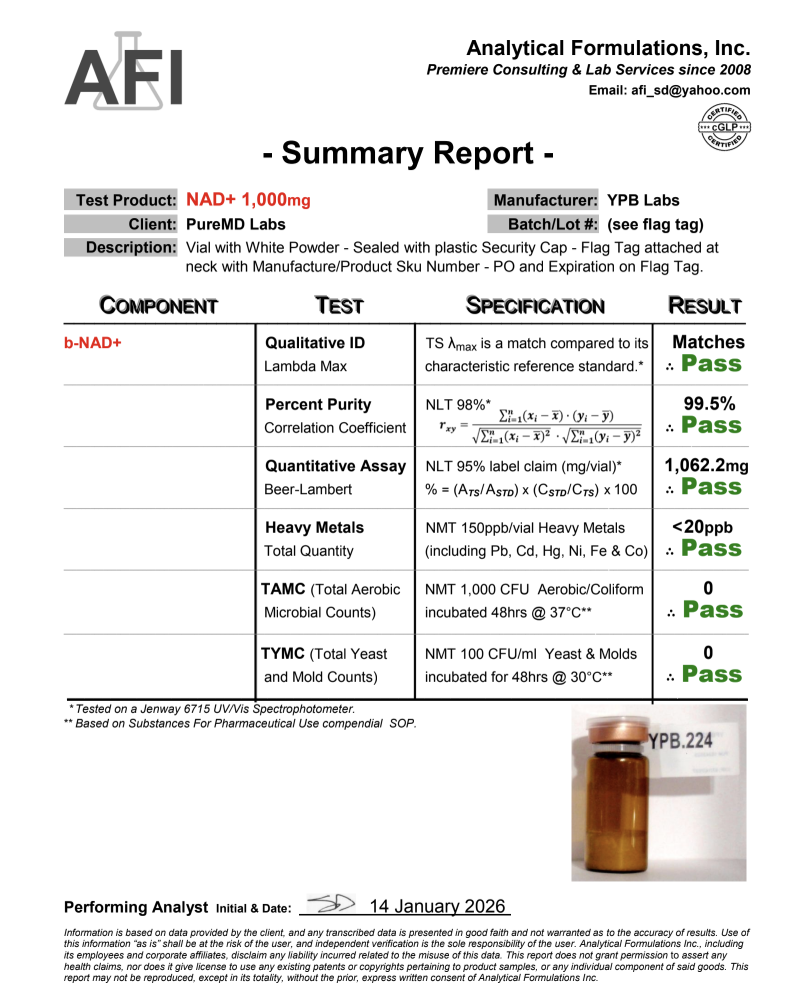
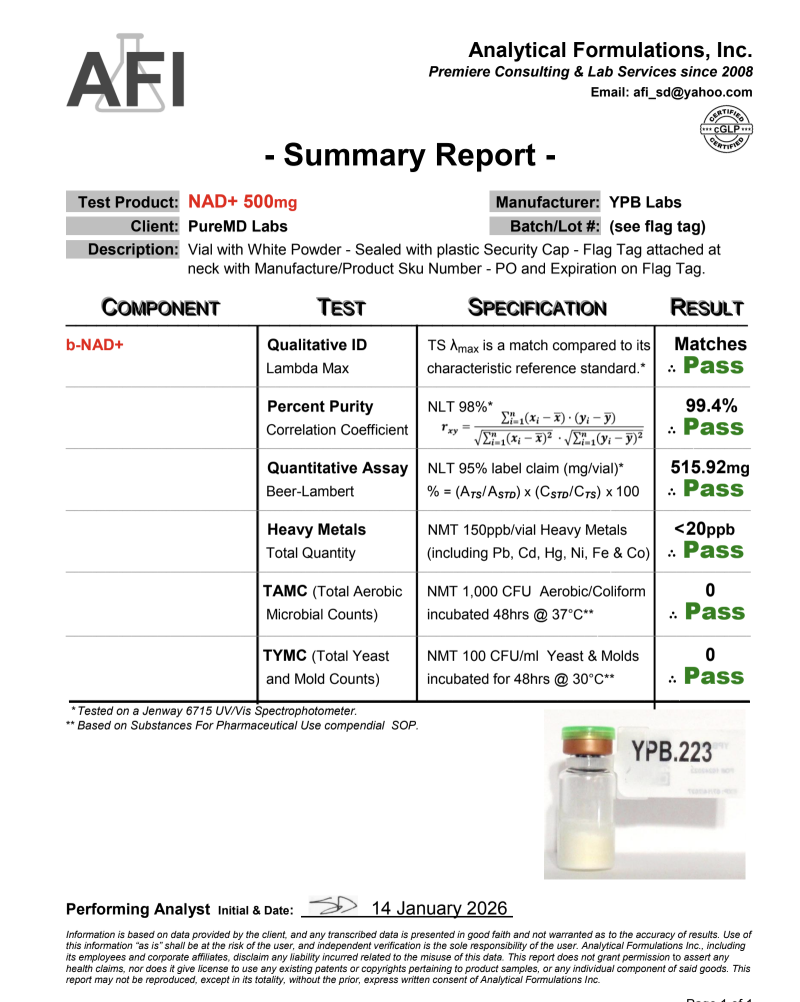
NAD⁺ (Nicotinamide Adenine Dinucleotide) Research Overview

NAD⁺ is a coenzyme and dinucleotide composed of nicotinamide, adenine, ribose, and phosphate groups, widely studied in cellular metabolism, redox reactions, and enzymatic regulation in preclinical and in vitro research. NAD⁺ serves as an essential cofactor in oxidative phosphorylation, glycolysis, and enzymatic signaling reactions, including sirtuin- and PARP-mediated pathways.

Current scientific literature investigates NAD⁺ primarily in the context of cellular energy metabolism, oxidative stress response, and age-associated molecular processes. Laboratory studies focus on mechanistic modulation of enzymatic reactions, NAD⁺ biosynthesis pathways, and redox balance without implying clinical or therapeutic effects.


Mechanism of Action in Laboratory Models

NAD⁺ participates in multiple cellular and molecular mechanisms studied in research settings:

  • Redox Cofactor in Metabolism

    • Serves as an electron carrier in oxidative phosphorylation, glycolysis, and the tricarboxylic acid cycle, enabling studies of cellular energy flux (Verdin, 2015).

  • Enzymatic Regulation

    • Functions as a substrate for sirtuins (SIRT1-7) and poly(ADP-ribose) polymerases (PARPs) in laboratory models investigating deacetylation, ADP-ribosylation, and DNA repair pathways (Imai & Guarente, 2014).

  • Precursor and Recycling Pathways

    • Studied in the context of NAD⁺ biosynthesis and salvage pathways, including nicotinamide and nicotinamide riboside metabolism (Cantó et al., 2015).

  • Signaling Modulation

    • Explored in redox-sensitive signaling and intracellular stress response pathways in vitro without direct clinical inference.

NAD⁺ is pleiotropic, participating in energy metabolism, enzymatic signaling, and intracellular redox regulation.


Primary Research Findings

Preclinical and in vitro studies have investigated NAD⁺’s roles across multiple biological systems:

  • Metabolic Regulation

    • Laboratory models indicate NAD⁺ levels are central to mitochondrial electron transport chain activity and ATP generation (Verdin, 2015).

  • Sirtuin Activity

    • NAD⁺ is required for sirtuin-mediated deacetylation reactions, which regulate transcriptional and metabolic networks in cell culture studies (Imai & Guarente, 2014).

  • DNA Repair and Stress Response

    • Preclinical studies explore NAD⁺ as a substrate for PARP-dependent ADP-ribosylation, influencing DNA damage response in laboratory assays (Cantó et al., 2015).

  • Comparative Research Context

    • NAD⁺ is often studied alongside nicotinamide mononucleotide (NMN) or nicotinamide riboside (NR) in preclinical research to examine relative impacts on enzymatic activity, redox balance, and cofactor availability.


Research Applications

Metabolic and Mitochondrial Research

  • Investigates energy metabolism, redox potential, and mitochondrial function in cultured cells and animal models.

  • Laboratory endpoints include ATP/ADP ratios, NAD⁺/NADH ratios, and mitochondrial respiration assays.

Enzymatic and Signaling Pathway Research

  • Explores sirtuin- and PARP-dependent reactions in vitro.

  • Observed markers include protein acetylation status, ADP-ribosylation levels, and downstream transcriptional changes.

Redox and Oxidative Stress Studies

  • Examines intracellular redox balance, ROS modulation, and antioxidant responses.

  • Research endpoints include oxidized/reduced NAD⁺ ratios, ROS quantification, and oxidative stress markers.

Precursor and Salvage Pathway Investigations

  • Studies NAD⁺ biosynthesis and recycling via nicotinamide, nicotinamide riboside, and related intermediates.

  • Laboratory observations include enzyme activity of NAMPT, NMNAT, and NAD⁺-dependent reactions.


Research Handling and Format

  • Common Formats – NAD⁺ is typically supplied as lyophilized powder or stabilized salts for laboratory experiments.

  • Stability Considerations – Store under cool, dry, light-protected conditions to minimize degradation. Lyophilized NAD⁺ allows accurate quantification and reproducible use in controlled research protocols.


Research Use Only Disclaimer

This compound is intended solely for laboratory research purposes. It is not for human consumption, clinical use, therapeutic application, or veterinary use.


Compound Identity and Molecular Profile

Property Description
Name Nicotinamide Adenine Dinucleotide (NAD⁺)
Synonyms NAD, β-Nicotinamide Adenine Dinucleotide
Molecular Formula C₂₁H₂₇N₇O₁₄P₂
Molecular Weight 663.43 Da
Compound Class Dinucleotide coenzyme
Biological Role Redox cofactor, sirtuin substrate, PARP substrate in laboratory research

References

nad+ coa

NAD coa


Related products

Disclaimer: For Research Purposes Only

The owner of this website has made a commitment to accessibility and inclusion, please report any problems that you encounter using the contact form on this website. This site uses the WP ADA Compliance Check plugin to enhance accessibility.
0
    0
    Your Cart
    Your cart is emptyReturn to Shop